When critical equipment starts to fail, replacement isn't always the answer.
Frames crack. Hydraulics lose pressure. Parts get hard to find. Controls age out. What was a small issue six months ago is now a full shutdown.
We repair and rebuild heavy industrial equipment so you get more life out of what you have without the downtime and cost of starting over.
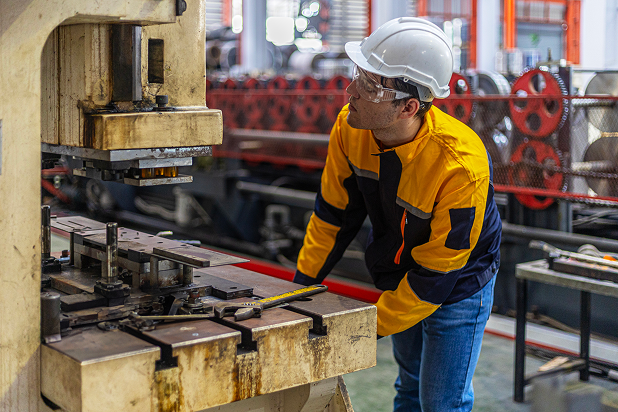

Years of heat, torque, vibration, and load cycles accumulate stress across frames, housings, and support structures. Hairline cracks, alignment drift, and deflection often precede major failure.

Legacy drives, aging PLCs, unsupported components, and discontinued OEM parts create vulnerability. Performance expectations remain high, but supportability declines.

When the same component requires repair more than once, the issue is rarely isolated. Root causes often trace back to structural misalignment, load distribution problems, or outdated system architecture.
Years of heat, torque, vibration, and load cycles accumulate stress across frames, housings, and support structures. Hairline cracks, alignment drift, and deflection often precede major failure.
Legacy drives, aging PLCs, unsupported components, and discontinued OEM parts create vulnerability. Performance expectations remain high, but supportability declines.
When the same component requires repair more than once, the issue is rarely isolated. Root causes often trace back to structural misalignment, load distribution problems, or outdated system architecture.
Years of heat, torque, vibration, and load cycles accumulate stress across frames, housings, and support structures. Hairline cracks, alignment drift, and deflection often precede major failure.
Legacy drives, aging PLCs, unsupported components, and discontinued OEM parts create vulnerability. Performance expectations remain high, but supportability declines.
When the same component requires repair more than once, the issue is rarely isolated. Root causes often trace back to structural misalignment, load distribution problems, or outdated system architecture.
Not every machine needs to be replaced, but running failing equipment as-is leads to bigger problems.
We help you decide whether to repair, rebuild, or upgrade, based on what will get you back up and running with the least risk and downtime.
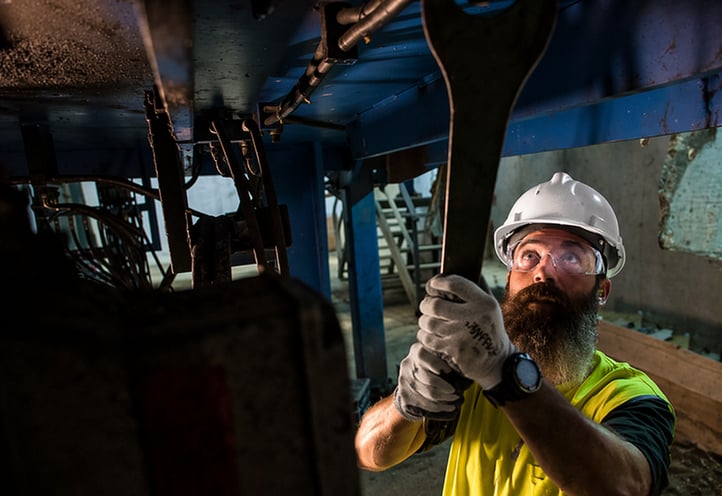

We rebuild presses, mills, and industrial equipment from the ground up. That includes teardown, inspection, reverse engineering, machining, repair, and reassembly.

We repair cracked frames, worn housings, and load-bearing components. Everything is aligned and checked to run under real operating conditions.

We repair and upgrade hydraulic systems, drives, and power transmission components to restore performance.

When needed, we update controls alongside mechanical work. This improves reliability and visibility, but it’s always part of a larger repair or rebuild scope.

If OEM support is gone, we recreate critical components using 3D modeling, metrology, and engineering validation.
We rebuild presses, mills, and industrial equipment from the ground up. That includes teardown, inspection, reverse engineering, machining, repair, and reassembly.
We repair cracked frames, worn housings, and load-bearing components. Everything is aligned and checked to run under real operating conditions.
We repair and upgrade hydraulic systems, drives, and power transmission components to restore performance.
When needed, we update controls alongside mechanical work. This improves reliability and visibility, but it’s always part of a larger repair or rebuild scope.
If OEM support is gone, we recreate critical components using 3D modeling, metrology, and engineering validation.
We rebuild presses, mills, and industrial equipment from the ground up. That includes teardown, inspection, reverse engineering, machining, repair, and reassembly.
We repair cracked frames, worn housings, and load-bearing components. Everything is aligned and checked to run under real operating conditions.
We repair and upgrade hydraulic systems, drives, and power transmission components to restore performance.
When needed, we update controls alongside mechanical work. This improves reliability and visibility, but it’s always part of a larger repair or rebuild scope.
If OEM support is gone, we recreate critical components using 3D modeling, metrology, and engineering validation.

