97% of what we do in steel is equipment lifecycle management, rebuilding spare inventory, restoring in-service assets, and making sure critical equipment is ready when your outage plan calls for it. When something does go down unexpectedly, we're available 24/7. But that's not where we spend most of our time, and it's probably not where you should either.
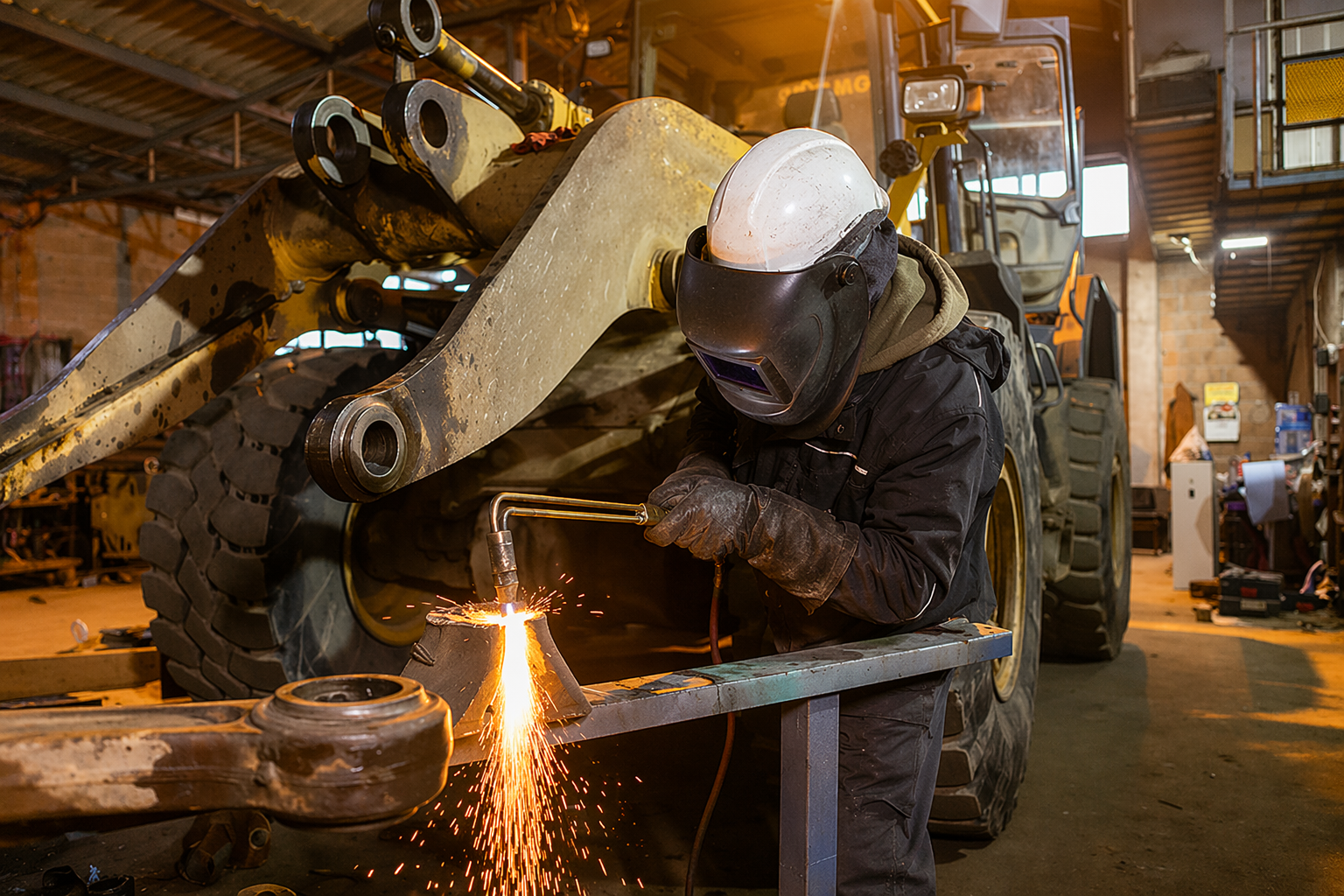
Blast furnaces, EAFs, BOFs, ladle systems, continuous casters, mandrels, screwdowns, HPUs, crane and handling equipment, hydraulics, drives, and controls. We don't just work on what's running, we work on what's waiting to run. Spare equipment that hasn't been properly rebuilt, aligned, or assessed is a liability sitting in your storage bay.

We take stored assets through a structured assessment and rebuild process, correcting alignment, restoring tolerances, and returning them to a verified operating condition before your outage window opens, not during it.

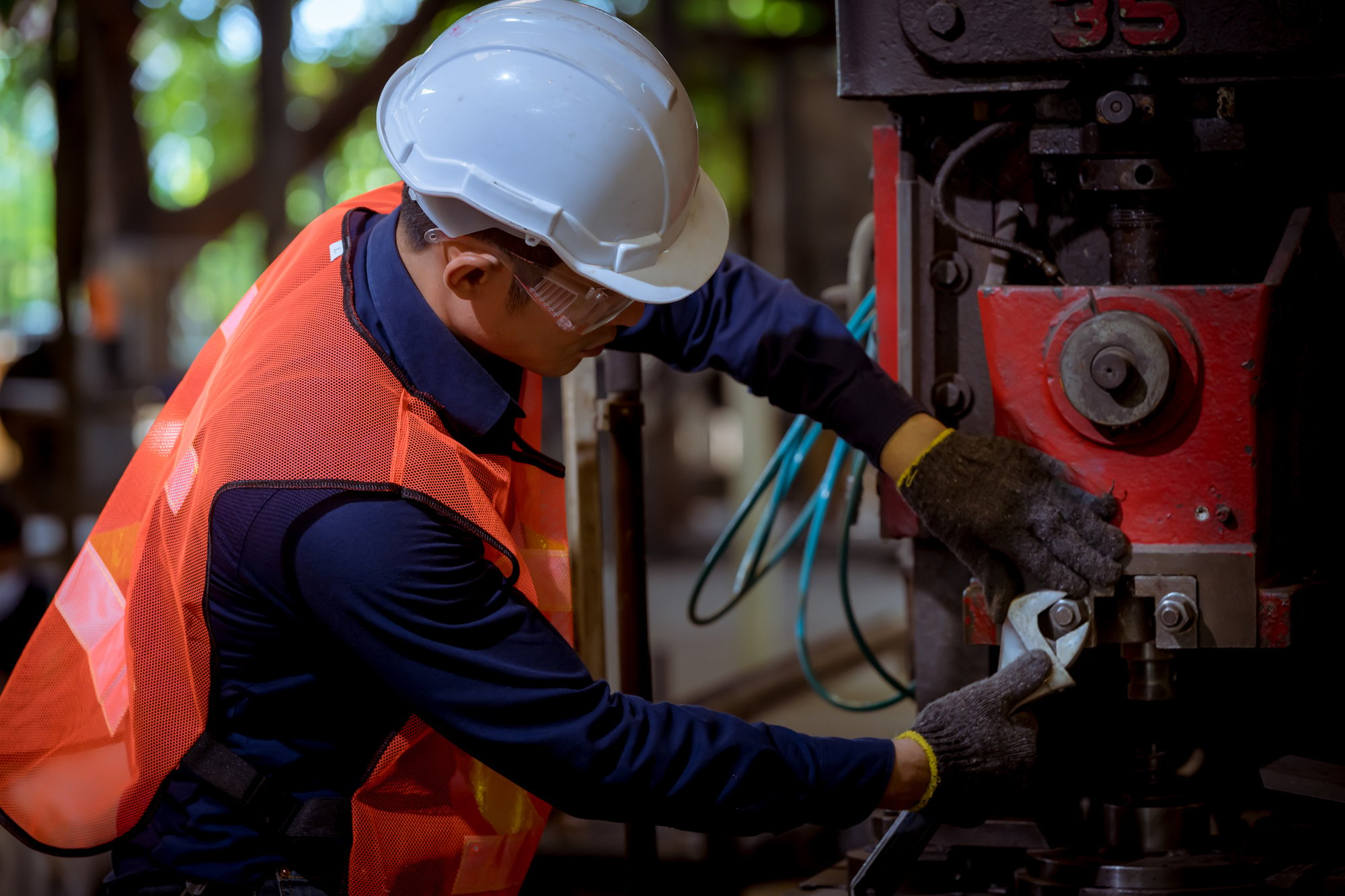
Steel plant equipment is built to handle decades of load, but only if wear is caught and corrected before it compounds. We restore structural integrity, correct wear paths, and return machines to reliable working condition under real plant loads. Our work is assessed against fatigue and load paths, not just visual inspection.

When OEM parts are no longer available, you still need that equipment to run — and run correctly. We supply both OEM and precision reverse-engineered components, using original drawings and specifications wherever possible, to keep legacy equipment in service without compromising reliability.
We take stored assets through a structured assessment and rebuild process, correcting alignment, restoring tolerances, and returning them to a verified operating condition before your outage window opens, not during it.
Steel plant equipment is built to handle decades of load, but only if wear is caught and corrected before it compounds. We restore structural integrity, correct wear paths, and return machines to reliable working condition under real plant loads. Our work is assessed against fatigue and load paths, not just visual inspection.
When OEM parts are no longer available, you still need that equipment to run — and run correctly. We supply both OEM and precision reverse-engineered components, using original drawings and specifications wherever possible, to keep legacy equipment in service without compromising reliability.
We take stored assets through a structured assessment and rebuild process, correcting alignment, restoring tolerances, and returning them to a verified operating condition before your outage window opens, not during it.
Steel plant equipment is built to handle decades of load, but only if wear is caught and corrected before it compounds. We restore structural integrity, correct wear paths, and return machines to reliable working condition under real plant loads. Our work is assessed against fatigue and load paths, not just visual inspection.
When OEM parts are no longer available, you still need that equipment to run — and run correctly. We supply both OEM and precision reverse-engineered components, using original drawings and specifications wherever possible, to keep legacy equipment in service without compromising reliability.
.png?width=938&height=625&name=Designer-(58).png)
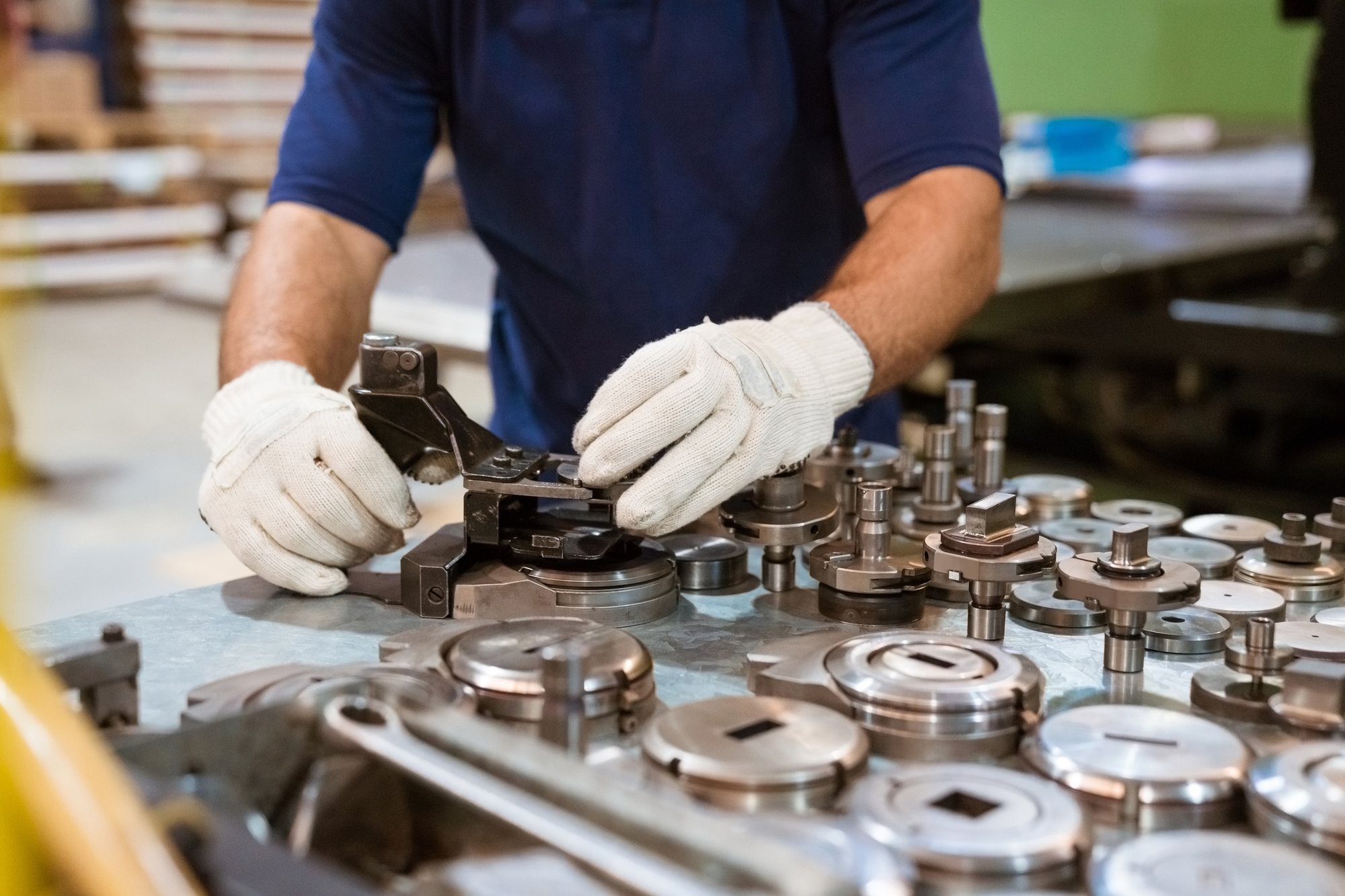
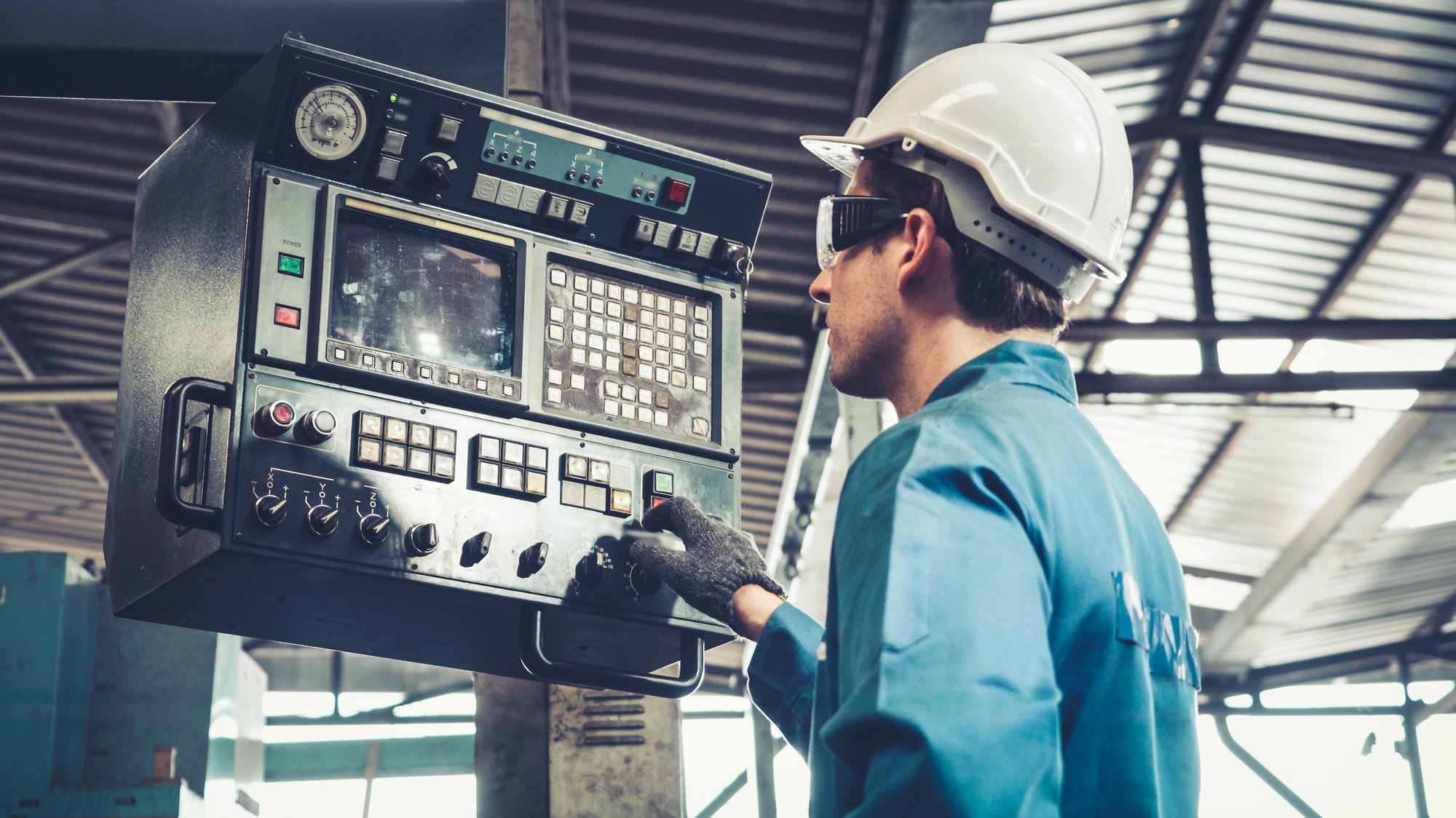
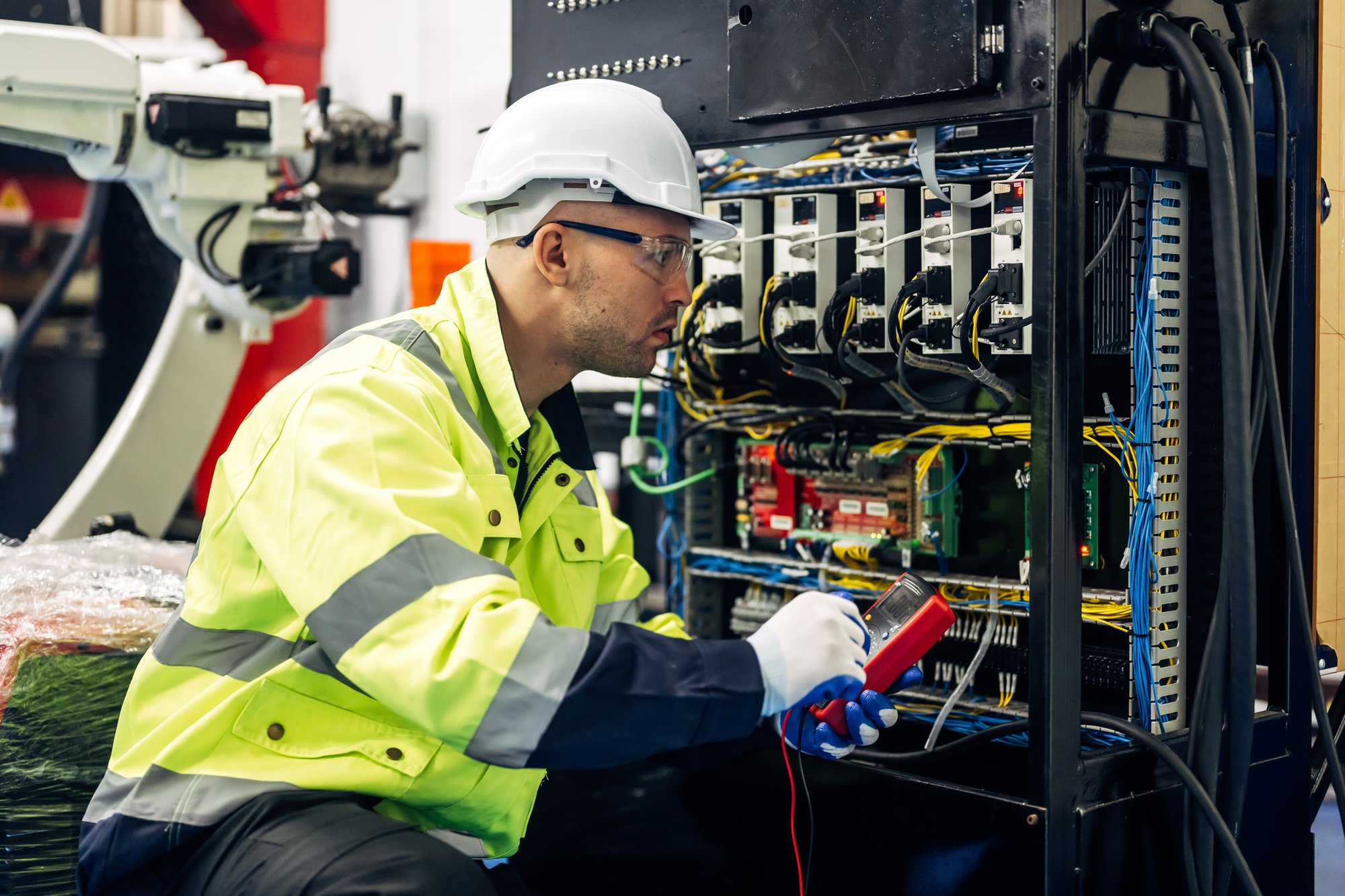
We rebuild spare and in-service equipment, mandrels, rolls, gearboxes, screwdowns, HPUs, casters, and crane systems — to restore performance and extend usable life. This is the core of our steel plant work: structured programs that keep critical assets ready before your outage window opens.
We work alongside your reliability and engineering teams to plan and execute outage scopes, mobilizing machining, welding, hydraulic, and field service resources inside your planned windows. We know what it costs when an outage runs long.
From critical wear components to fully reverse-engineered parts, we help you maintain an inventory that's actually usable — assessed, documented, and ready.
PLCs, drives, HMIs, HPU controls, and caster automation are part of the rebuild scope, not handed off. We handle controls alongside mechanical work so your equipment functions as an integrated system, not a collection of patched parts.
When unplanned failures happen, we mobilize 24/7 with the right team and the right parts. But the goal of everything else we do is to make this call as rare as possible.
Worn screwdowns. Degrading HPU seals. Mandrels that haven't been assessed since the last outage. These aren't surprises, they're patterns. If something is showing wear or starting to drift out of spec, addressing it during a planned window costs a fraction of what it costs when it fails in production. That's the conversation we want to have with your reliability team before the next outage, not during it.
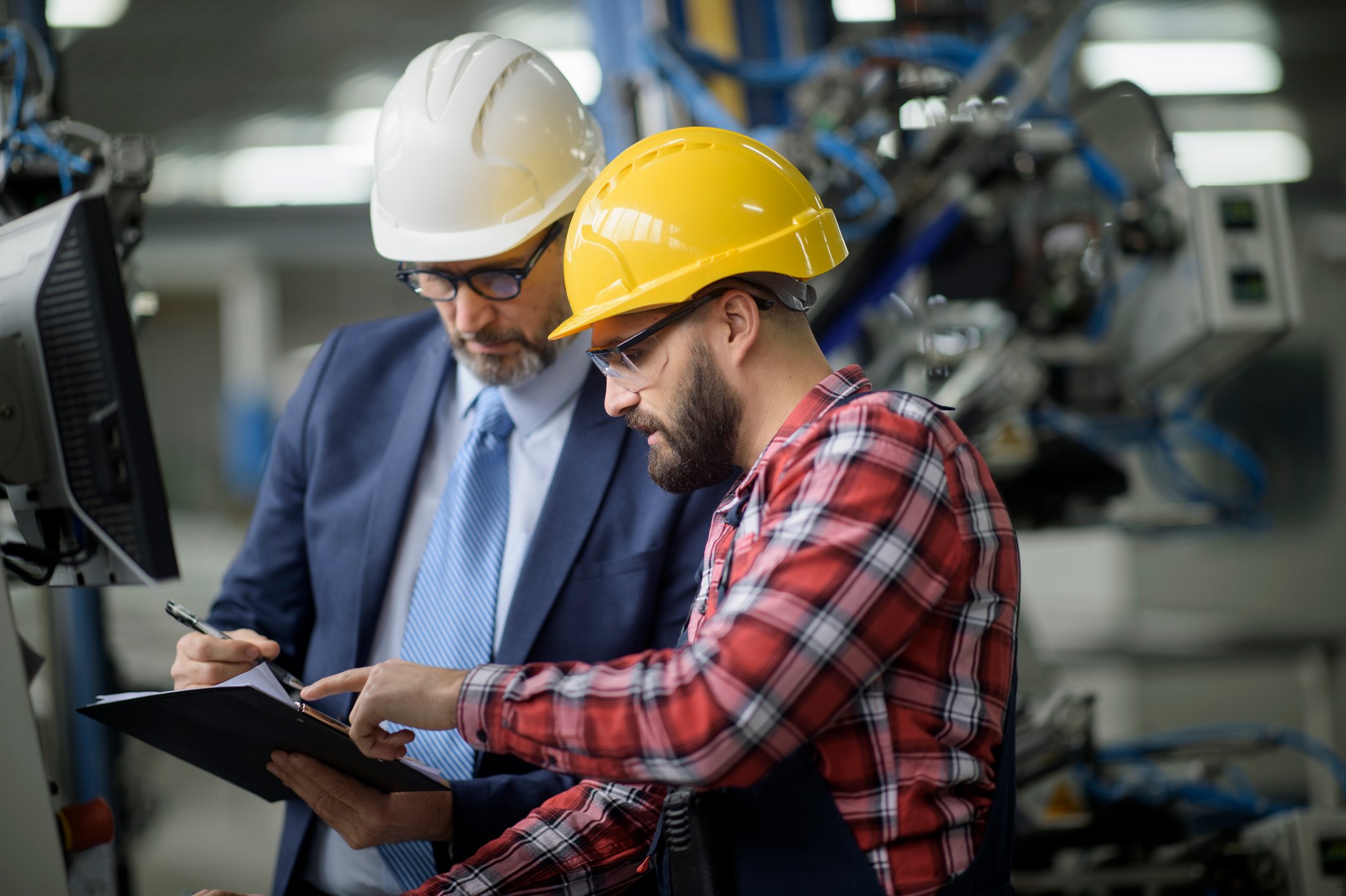
Steel-making environments demand control at the point of highest consequence. Our work centers on three critical priorities inside the furnace and casting cycle:
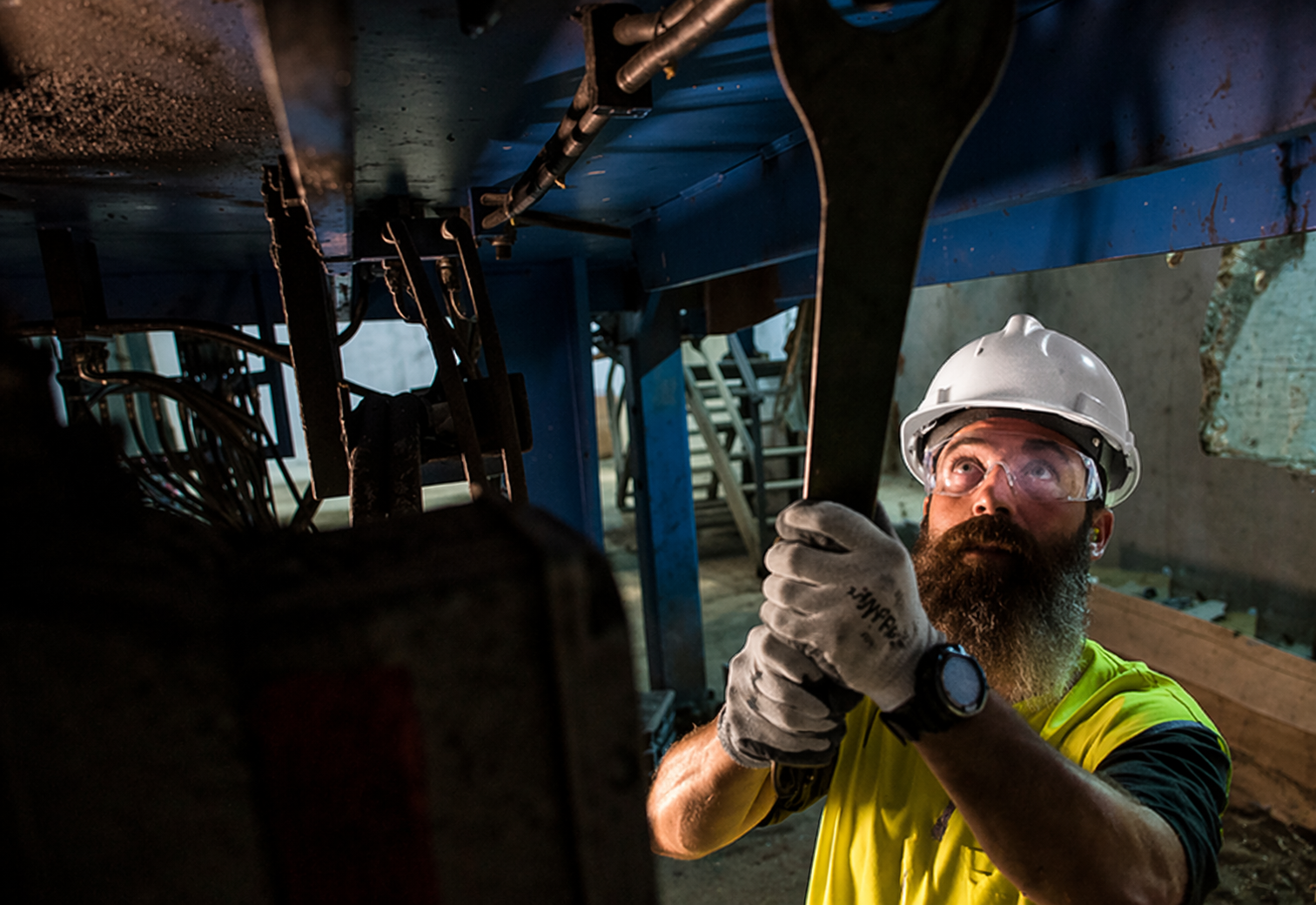

A screwdown that fails twice isn't a parts problem, it's an engineering problem. We find the root cause and fix it so the same failure mode doesn't come back in the next outage cycle.

We evaluate fatigue and load paths before recommending repair or upgrade. In a melt shop or casting environment, that discipline matters — a fix that holds up in the shop needs to hold up under continuous production loads.

When something goes down, you need help now. Our team moves quickly to assess the problem and start repairs.
After the work is done, we can help your team plan the next rebuild window, identify what else needs attention, and build a parts program so you're not sourcing components under pressure.

