


.svg)



Punch Clearance and Burr Height
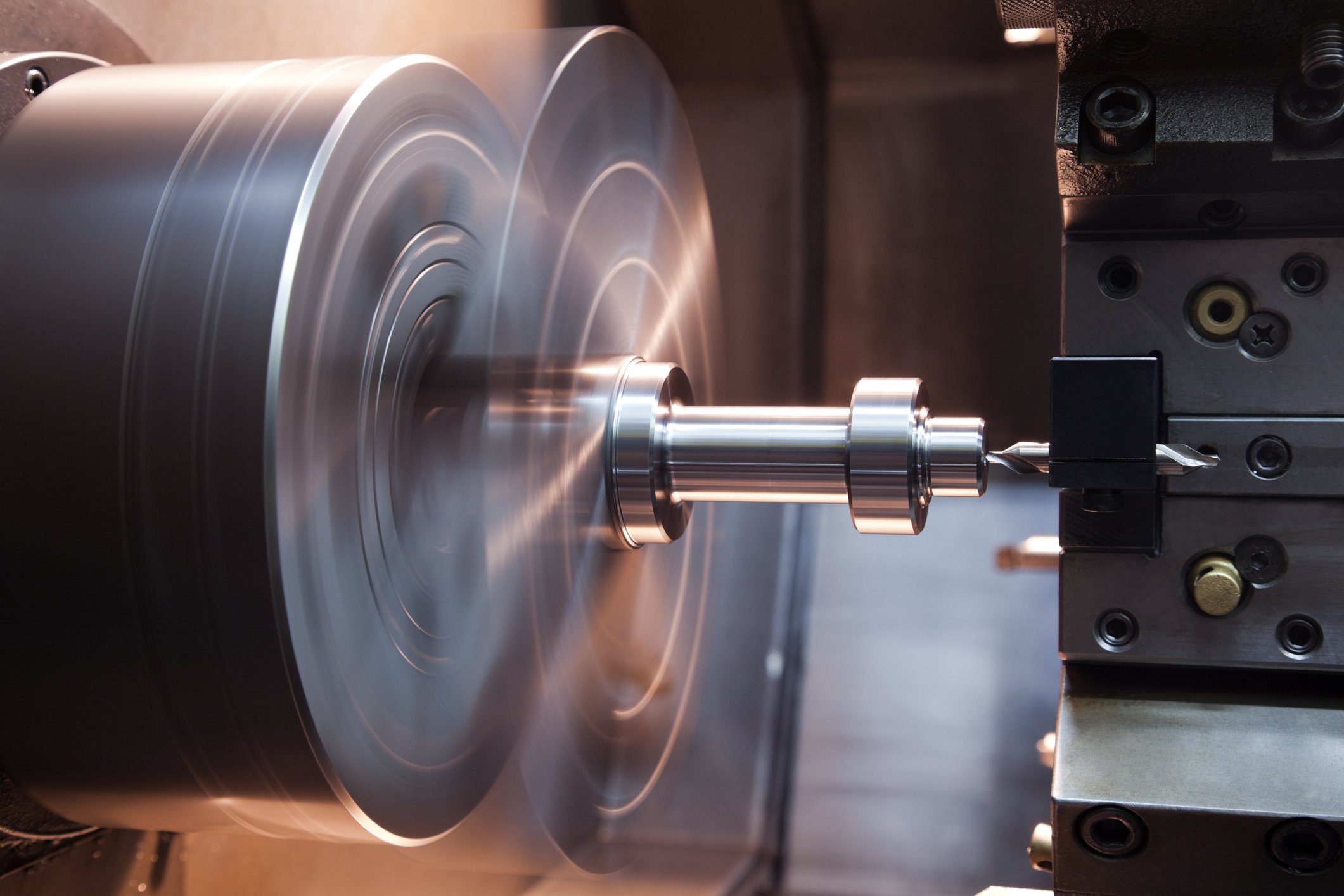
On copper, aluminum, and thin-gauge steel, punch clearance specification is tighter than on carbon steel and the consequences of getting it wrong show up faster. Excessive clearance produces burr on cut edges and contact surfaces. On terminals and connectors, burr on a mating surface affects contact resistance. We verify punch-to-die clearance as part of the die assessment and flag where clearance has opened beyond what the material and part specification can tolerate.
Strip Flatness and Coil Feeding Accuracy
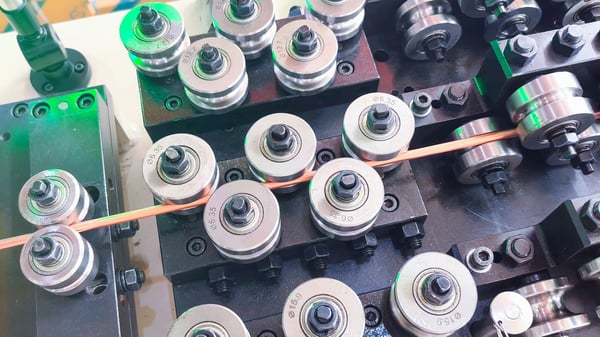
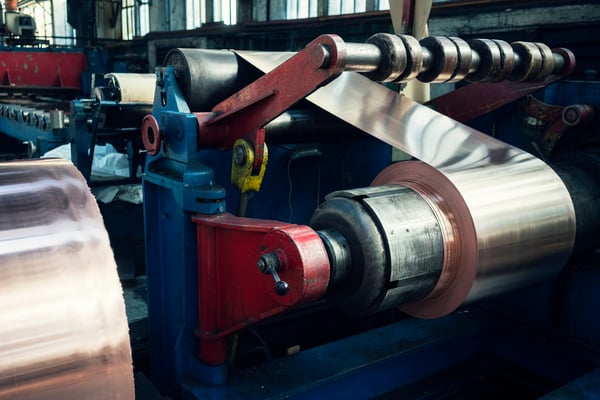
Coil camber, crossbow, and tension inconsistencies in the feed system cause progressive die pilots to work harder, accelerating wear and creating location error across the strip. In thin non-ferrous stock this compounds quickly a strip that's running with coil camber will produce location variation that looks like a die problem but is actually a feed and material handling issue. We assess the feed system, straightener settings, and coil handling setup as part of the overall press evaluation.
Contact Surface Condition After Forming
For terminal and connector applications specifically, the condition of formed contact surfaces matters beyond dimensional accuracy. Surface finish on a formed copper contact affects electrical resistance at the mating interface. We flag forming conditions die land condition, punch edge radius, lubrication that are degrading surface finish on functional contact areas, not just cosmetic surfaces.

Ram Parallelism Across the Die Area
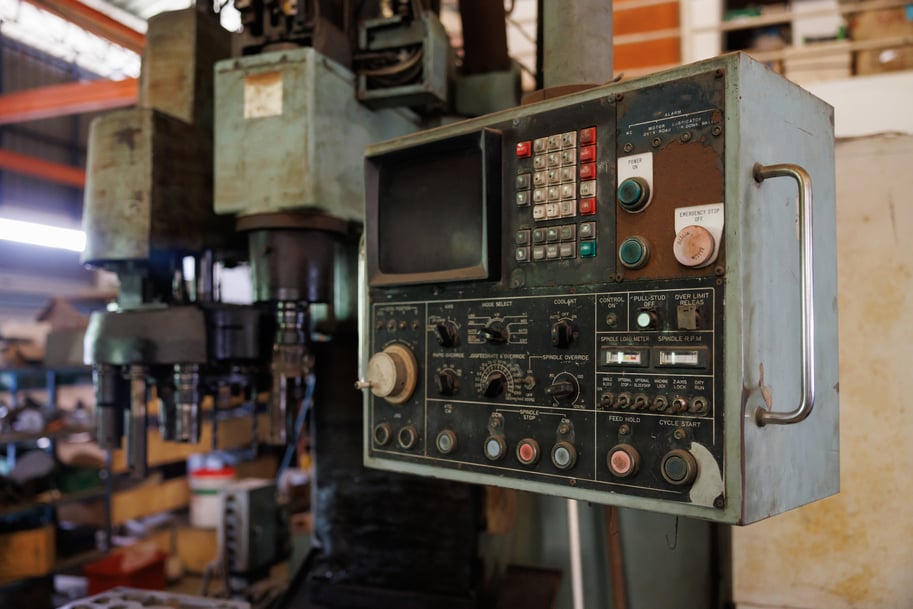
A progressive die running a long strip depends on consistent shut height and ram parallelism across the full die width. A press that's parallel at center but drifting at the extremes produces consistent parts in the middle of the strip and variation at the edges which is exactly the kind of subtle defect that passes first-article inspection but creates customer returns at assembly. We measure parallelism across the full bed and ram surface, not just at center, and correct it before the die goes back in.